How Cats Show Trust: Feline Ethology, Body Language & Subtle Affection Signals
Explore the science of feline attachment. Learn to decode the slow-blink eye contact, exposed belly paradox, head-bunting pheromones, healing purr frequencies, and tail language that signify deep trust in domestic cats.
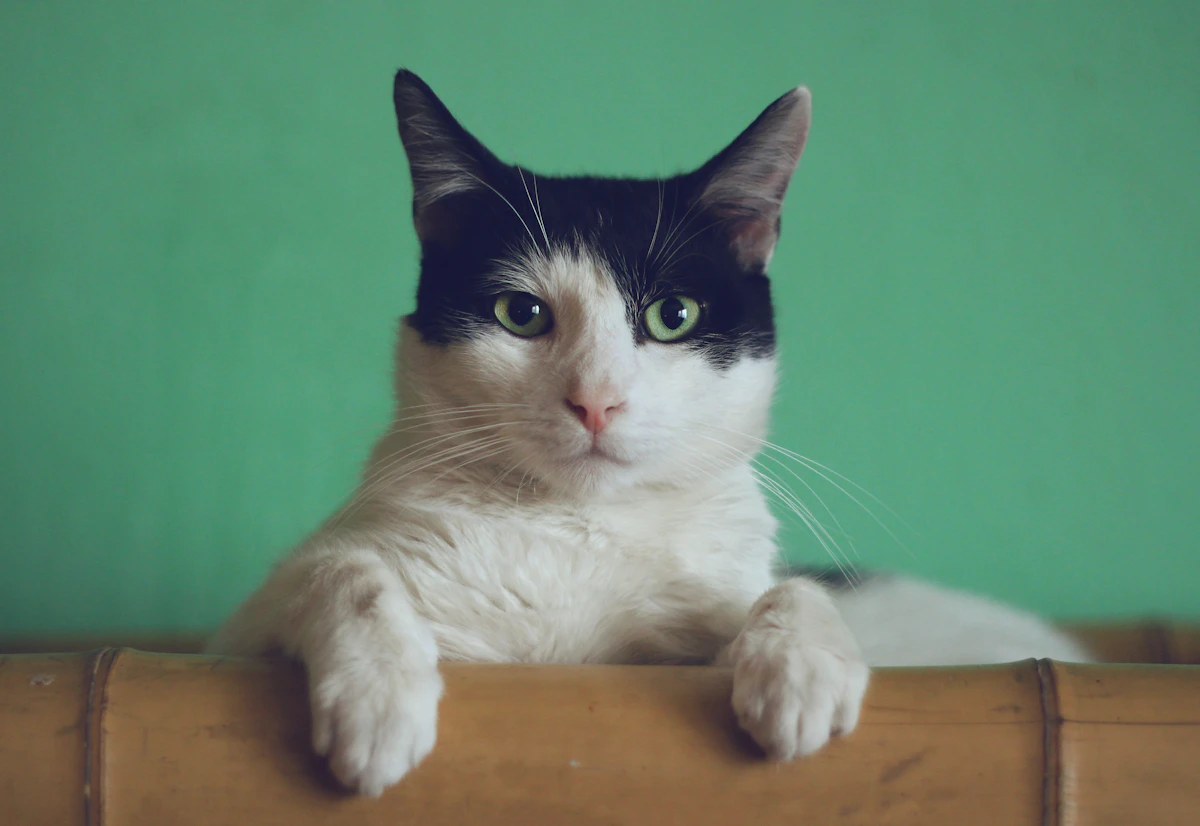
Executive Summary: The Evolution of Feline Sociality
Unlike their highly gregarious canine counterparts, domestic cats (Felis catus) evolved from the solitary African wildcat (Felis lybica). In evolutionary biology, solitary predators must be hyper-vigilant, territorial, and naturally distrusting of other organisms to survive.
Yet domestic cats are facultatively social: when resources are abundant and social bonds are cultivated with patience and respect for autonomy, cats form intense, lifelong attachment bonds with their human guardians. Because feline communication is rooted in nuanced micro-expressions, subtle body postures, and chemical scent-marking, recognizing these trust signals is key to nurturing a secure bond.
1. The Slow Blink: Feline Duchenne Smile
In canine and human communication, direct eye contact can convey warmth or assertiveness. In the feline realm, an unblinking stare is perceived as an overt territorial threat or a precursor to predatory violence.
Conversely, the Slow Blink is the universal feline peace offering:
THE MECHANISM OF THE SLOW BLINK:
1. The cat establishes calm eye contact from a relaxed distance.
2. The upper and lower eyelids slowly close halfway, hold for 1-2 seconds, or shut entirely.
3. The gaze softly shifts away before returning.
In a landmark study published in Scientific Reports (Humphrey et al., University of Sussex), researchers demonstrated that cats are significantly more likely to slow-blink back to a human who initiates the signal, and are far more receptive to approaching strangers who use this non-threatening visual cue.
2. The Vulnerable Belly Paradox: A Sign of Trust, NOT an Invitation
One of the most frequent human misinterpretations in feline ethology is the Exposed Ventral Abdomen:
⚠️ THE FELINE ABDOMEN PARADOX:
When a cat rolls onto its back and displays its soft underbelly, it is offering the ultimate tribute of vulnerability. The abdomen houses fragile vital organs completely unprotected by bone.

However: In over 80% of cats, this is NOT a canine-style request for belly rubs.
Reaching out to stroke the exposed belly triggers an involuntary defensive reflex: the forepaws grasp the human wrist, teeth bite down gently or firmly, and the hind claws deliver rapid 'bunny kicks'.
The Correct Human Response
When your cat shows their belly, acknowledge the profound trust they have displayed by verbally praising them or offering a gentle scratch on the cheeks, chin, or base of the ears. Respecting their physical boundaries validates their sense of safety.
3. Bunting & Allorubbing: Scent-Marking the Social Collective
Cats experience the world through an extraordinary olfactory apparatus comprising over 200 million scent receptors and the vomeronasal (Jacobson's) organ located in the hard palate.
When a cat engages in head-bunting (pressing their forehead or temporal region against you) or allorubbing (sliding their cheek, flank, and tail along your legs), they are engaging in pheromonal bonding:
- Temporal & Perioral Glands: Sebaceous glands at the temples, corners of the mouth, and chin secrete facial pheromones (notably the F3 and F4 fractions).
- Communal Colony Odor: In natural cat colonies, allied individuals continually rub against each other to create a homogenous 'group scent.' By marking you with these pheromones, the cat is incorporating you into their protective family unit.
4. The Acoustic Science of Purring: 25 to 150 Hz
A cat's purr is generated by rapid, rhythmic twitching of the laryngeal muscles alternating with diaphragmatic movements at 20 to 30 contractions per second, modulated by a neural oscillator in the feline brain.
| Frequency Range | Biological Function | Emotional / Clinical State |
|---|---|---|
| 25 – 50 Hz | Bone Density & Fracture Consolidation | Healing, rest, deep social relaxation |
| 50 – 100 Hz | Tendon Repair & Pain Relief | Musculoskeletal restoration, comfort |
| 100 – 150 Hz | Dyspnea Relief & Anti-inflammatory | Stress mitigation or maternal contact |
| Solicitation Purr | High-frequency cry embedded at ~380 Hz | Requesting food, human urgency manipulation |
While purring can occasionally indicate self-soothing in an injured or dying cat, an accompanied soft body, closed eyes, and relaxed paws confirm undeniable emotional peace.
5. Decoding Tail Semiotics and Greeting Postures
The feline tail is a high-bandwidth emotional barometer:
- The Vertical 'Question Mark': Tail held perpendicular to the spine with a gentle, soft curl at the apex. This is the gold standard greeting of an amicable, confident cat.
- The Base-of-Tail Tremor: While greeting a favorite human, the cat holds its tail rigidly upright while the base vibrates or quivers. This signals ecstatic excitement and intense affection.
- Tail Wrapping: Wrapping the tail around your ankle or wrist is the feline version of holding hands, cementing interpersonal reassurance.
6. Neoteny: Biscuit Kneading and Suckling
Adult domestic cats retain juvenile behavioral traits through a biological phenomenon known as behavioral neoteny.
When your cat rhythmically kneads their front paws against your lap, purrs deeply, and may even drool or gently suckle fabric, they are mentally returning to their earliest moments of kittenhood nursing. This demonstrates that your presence elicits the identical feeling of complete, unconditional safety that they experienced with their mother.
Ensure your cat stays physically healthy and nutritionally satisfied with our Cat Food Portion Calculator, track life milestones with the Cat Age Calculator, and discover local feline veterinary care through our Local Vet Finder.