Cold Water Aquarium Setup: Native & Temperate Biotope Design, Filtration & Species Selection
Step beyond tropical tanks. Master the setup of an unheated temperate freshwater aquarium—from chillers and high-oxygen turnover to biotope aquascaping and cold-tolerant species like White Clouds, Dojo Loaches, and Fancy Goldfish.
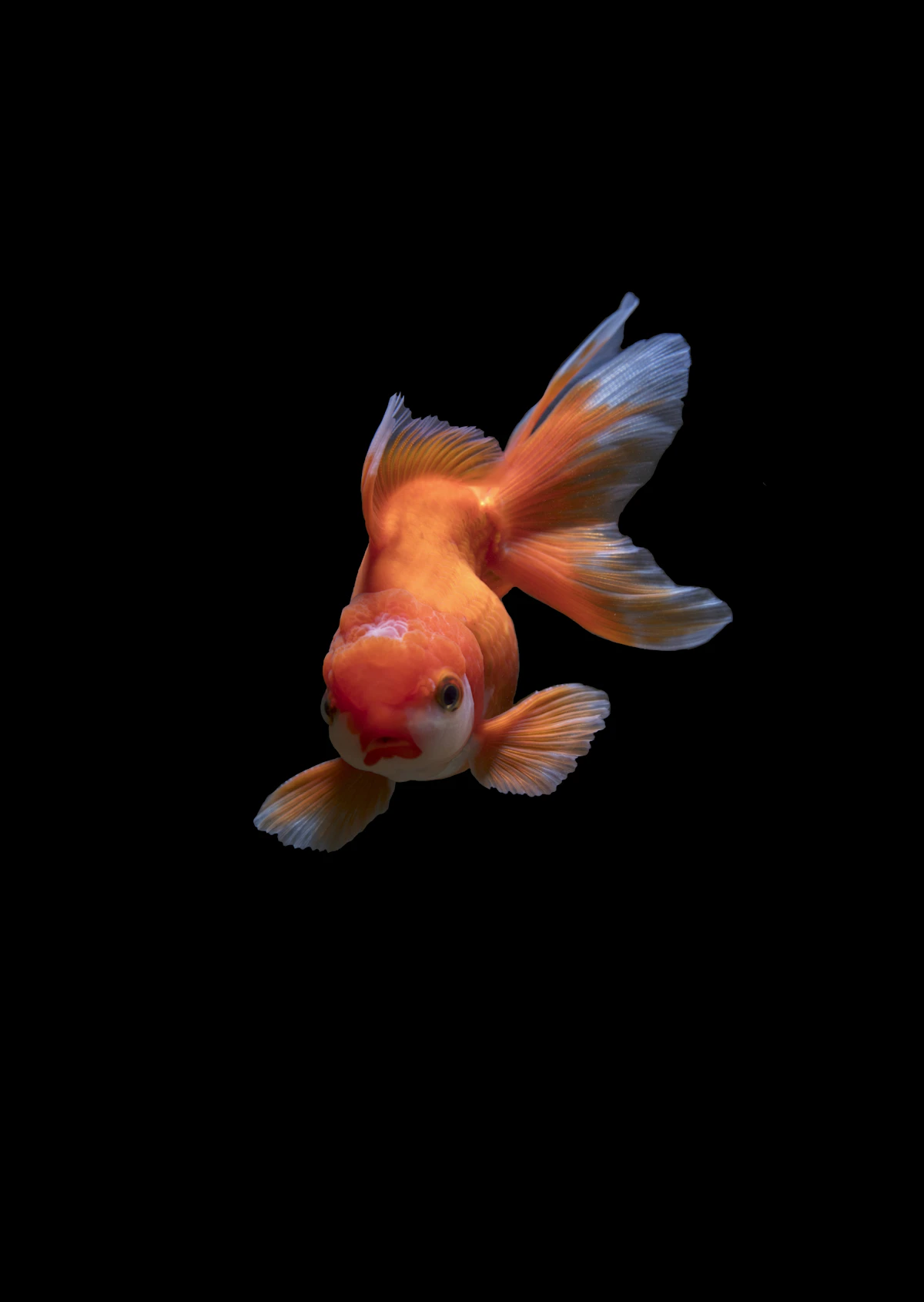
Executive Summary: Beyond the Heated Tropical Stereotype
In contemporary aquaristics, newcomers are frequently taught that an aquarium must possess a submersible electric heater maintaining water between 76°F and 82°F (24°C–28°C).
However, temperate and cold water ecosystems represent some of the most dynamic, highly oxygenated, and biologically fascinating aquatic biotopes on the planet. From the cascading high-altitude streams of Southern China where White Cloud Mountain Minnows dart, to the rocky river rapids favored by Hillstream Loaches, cold water aquariums offer distinct biological advantages:
- Supercharged Dissolved Oxygen Saturation
- Lower Energy Consumption (Zero Heater Electric Draw)
- Reduced Metabolic Waste Decomposition Rates
- Unprecedented Disease Resistance Against Common Tropical Parasites
1. Physical Chemistry: Temperature vs. Dissolved Oxygen
Under Henry's Law, the saturation concentration of dissolved gases in water increases as thermal kinetic energy decreases:
OXYGEN SOLUBILITY AT SEA LEVEL:
- Tropical Tank at 82°F (27.8°C): Max Dissolved O₂ ≈ 7.8 mg/L
- Temperate Tank at 68°F (20.0°C): Max Dissolved O₂ ≈ 9.1 mg/L
- Cold Stream Tank at 55°F (12.8°C): Max Dissolved O₂ ≈ 10.6 mg/L (+36% higher O₂ capacity!)
This dramatic increase in oxygen availability sustains fast-swimming, high-metabolism stream species that would suffocate in a standard tropical setup.
2. Species Compatibility & Biotope Profiles
| Species Common Name | Scientific Taxonomy | Safe Temperature Range | Swimming Zone & Biotope |
|---|---|---|---|
| White Cloud Mountain Minnow | Tanichthys albonubes | 58°F – 72°F (14°C – 22°C) | Mid-to-top schooling; hardy, peaceful |
| Hillstream Loach | Sewellia lineolata | 65°F – 74°F (18°C – 23°C) | High-flow river stones; grazing biofilm |
| Dojo / Weather Loach | Misgurnus anguillicaudatus | 50°F – 72°F (10°C – 22°C) | Soft sand bottom scavenger; barometer sensitive |
| Medaka Japanese Ricefish | Oryzias latipes | 45°F – 75°F (7°C – 24°C) | Top-water surface swimmer; frost-tolerant |
| Fancy Goldfish (Oranda, Ryukin) | Carassius auratus | 62°F – 72°F (17°C – 22°C) | Open-water slow grazer; high bioload |
| Zebra Danio | Danio rerio | 64°F – 75°F (18°C – 24°C) | Upper-stratum schooling torpedo |
3. Filtration & Nitrification Dynamics in Cold Water
⚠️ THE COLD NITRIFICATION REALITY:
Because biological cellular metabolism is temperature-dependent, Nitrosomonas and Nitrospira bacteria double their populations much slower at 62°F than at 80°F.
- Nitrogen Cycle Timeline: Expect cold tanks to require 6 to 8 weeks for a complete fishless cycle.
- Filtration Turnover Requirement: Filter turnover should be at least 8x to 10x total tank volume per hour (e.g., a 40-gallon fancy goldfish tank requires a filter moving 320 to 400 GPH).
4. Cold-Tolerant Aquascaping: Hardy Flora
Many delicate tropical aquatic plants melt or stall in water below 72°F. Choose these cold-adapted aquatic species:
- Vallisneria (Jungle & Corkscrew Val): Spreads runner thickets rapidly; tolerates temperatures down to 55°F.
- Java Fern (Microsorum pteropus): Tough, leathery leaves anchored to driftwood; immune to goldfish nibbling.
- Anubias barteri: Thick, low-light rhizome plant capable of thriving down to 60°F.
- Hornwort (Ceratophyllum demersum): Superb natural nitrate sponge that floats or anchors loosely in water down to near-freezing.
Calculate precise filter turnover and pump sizing with our Aquarium Filter Flow Rate Calculator, master parameter monitoring with the Aquarium Water Testing Guide, and locate local aquatic pet supply resources with our Local Vet Finder.