Aquatic Care

Aquarium Substrate Science: Complete Guide to Sand, Gravel, Active Aquasoils & Biotope Chemistry

A masterclass in aquarium bed dynamics—analyzing cation exchange capacity (CEC), pH/KH buffering systems, anaerobic pocket formation (H2S), and benthic species safety.
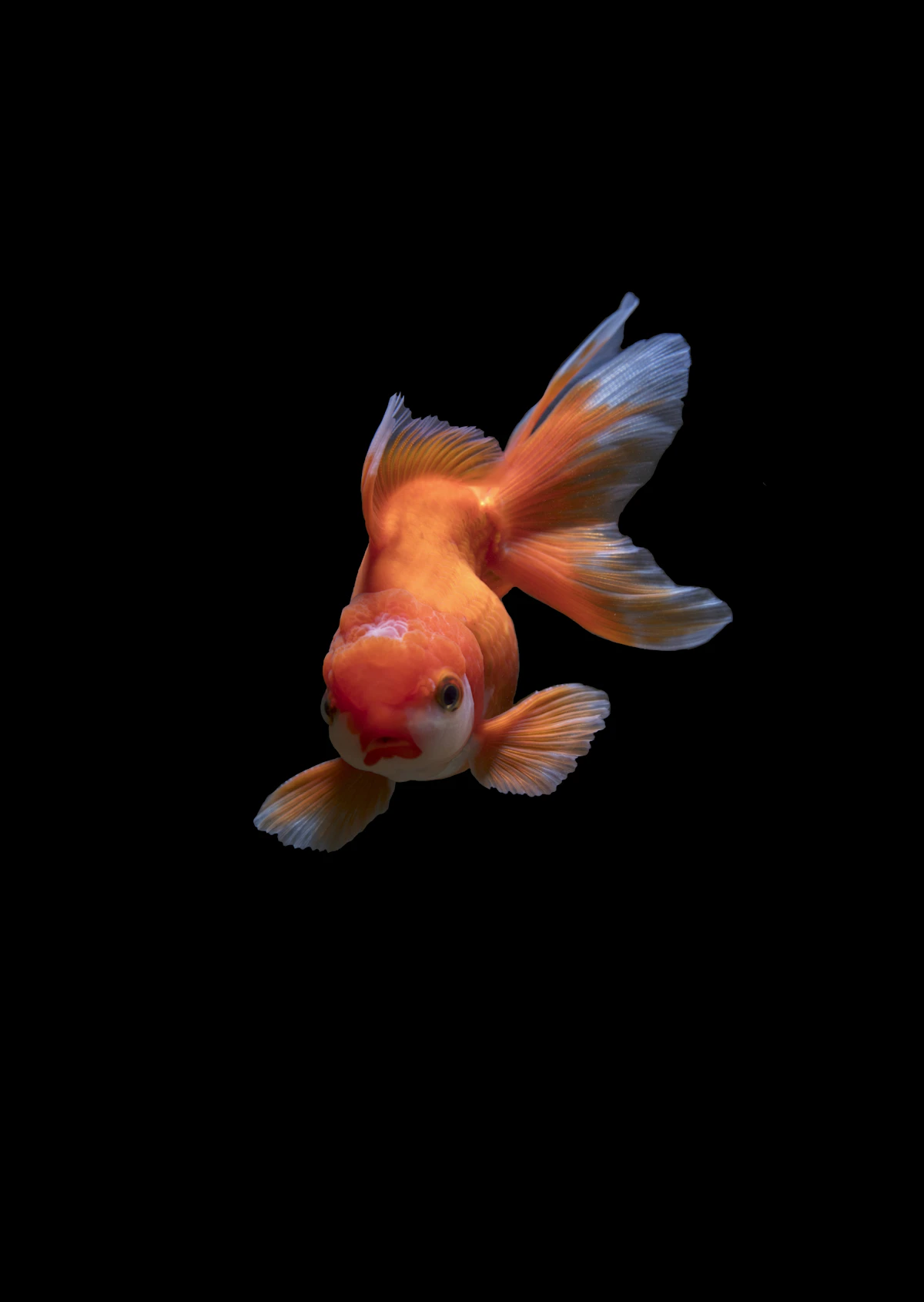
Executive Summary: The Subterranean Ecosystem of the Aquarium\n\nIn both freshwater and marine aquaria, the substrate is far more than an aesthetic floor covering: it is an active biochemical reactor, biological filter, and chemical buffer.\n\nThe choice of substrate dictates water hardness (GH), alkalinity (KH), and pH. It governs the colonizing surface area for nitrifying and denitrifying autotrophic bacteria and determines whether benthic fish can forage without suffering mechanical trauma.\n\nSelecting the wrong substrate can precipitate chronic biological crashes, trace element deficiencies, or acute toxicity events. This guide explores substrate chemistry, granulometry, and biotope pairing.\n\n---\n\n## 1. Substrate Chemistry: Active Buffering vs. Inert Substrates\n\nSubstrates are categorized into two primary chemical domains:\n\n\nTHE CHEMICAL POLARITY OF AQUARIUM BEDS:\n\n1. INERT SUBSTRATES (Silica Sand, Quartz Gravel, Black Diamond Blasting Abrasives):\n - CHEMICAL EFFECT: Zero interaction with water chemistry. Leaves pH, GH, and KH entirely unchanged.\n - CATION EXCHANGE CAPACITY (CEC): Zero to near-zero. Cannot store dissolved liquid fertilizers.\n - USE CASE: Hard/soft water community tanks, African cichlids (with buffered water), or setups utilizing column fertilization.\n\n2. ACTIVE SUBSTRATES (Volcanic Aquasoils, Calcined Clays, Peat, Aragonite):\n - CHEMICAL EFFECT: Actively leaches or absorbs specific ions to alter pH, carbonate hardness, and mineral content.\n - CATION EXCHANGE CAPACITY (CEC): High (20 to 140+ meq/100g). Acts like a chemical sponge, sequestering nutrients.\n - USE CASE: High-tech planted aquascapes, delicate Caridina shrimp, Rift Valley cichlids, or marine reef sandbeds.\n\n\n---\n\n## 2. Comprehensive Substrate Comparison Matrix\n\n| Substrate Category | Composition & Grain Size | Buffering Impact on pH / KH | CEC Rating | Primary Applications & Species Suitability |\n| :--- | :--- | :--- | :--- | :--- |\n| Baked Volcanic Aquasoil | Baked organic pellet (1.5 - 3.0mm) | Drops pH (5.8 - 6.5), strips KH to 0-1 | Very High (100 - 140) | High-tech planted tanks, Dwarf Shrimp (Caridina), Discus |\n| Inert Silica Cosmetic Sand | Rounded natural quartz (0.5 - 1.2mm) | 100% Inert (No change to pH/KH) | Very Low (0 - 5) | Benthic sifters (Corydoras, Geophagus, Loaches, Stingrays) |\n| Natural Quartz Gravel | Rounded river stone (2.0 - 5.0mm) | 100% Inert (No change to pH/KH) | Low (5 - 10) | General community fish, easy siphon cleaning, low-light plants |\n| Aragonite / Crushed Coral | Marine calcium carbonate (1.0 - 4.0mm) | Raises pH (8.0 - 8.4), increases KH & GH | Moderate (15 - 25) | African Rift Cichlids (Malawi/Tanganyika), Marine Reef Tanks |\n| Calcined Montmorillonite Clay | Porous kiln-fired clay (1.0 - 3.0mm) | Mostly inert; slight iron/cation release | High (30 - 45) | Planted tanks on a budget (Seachem Flourite / CaribSea Eco-Complete) |\n\n---\n\n## 3. The Anaerobic Pocket Dilemma: Denitrification vs. Hydrogen Sulfide\n\nIn deep substrate beds (> 2.5 inches / 6 cm), dissolved oxygen cannot penetrate via simple water column diffusion:\n\n\nTHE BACTERIAL STRATIFICATION CASCADE:\n1. AEROBIC ZONE (Top 0.5 - 1.0 inch): High dissolved oxygen. Nitrosomonas converts Ammonia to Nitrite; Nitrobacter converts Nitrite to Nitrate.\n2. ANOXIC ZONE (1.0 - 2.5 inches): Minimal oxygen (< 2 mg/L). Heterotrophic facultative anaerobes reduce Nitrate (NO3-) into harmless gaseous Nitrogen (N2).\n3. TRUE ANAEROBIC ZONE (> 2.5 inches in compacted fine sand): Zero oxygen. Desulfovibrio bacteria reduce sulfate ions (SO4 2-) into deadly Hydrogen Sulfide gas (H2S).\n\n\n* Hydrogen Sulfide ($H_2S$) Hazards: If black, rotten-egg-scented anaerobic pockets form and are suddenly stirred, dissolved $H_2S$ enters the water column, binding to cytochrome c oxidase in fish gills and inducing acute asphyxiation.\n* Engineering Prevention: Maintain sand bed depths under 2 inches, cultivate burrowing Malaysian Trumpet Snails (Melanoides tuberculata) to aerate lower layers, or utilize coarse gravel in deep back corners.\n\n---\n\n## 4. Granulometry & Benthic Animal Welfare\n\nBenthic species spend their entire lifespans in direct physical contact with the substrate bed:\n\n* Corydoras Catfish & Loaches: Possess delicate sensory barbels loaded with chemoreceptors. Crushed black coal slags or sharp crushed lava rock lacerate barbel tissue, creating open pathways for secondary Flavobacterium columnare infection. Always provide rounded cosmetic sand.\n* Geophagine Eartheaters & Spiny Eels: These fish feed by taking mouthfuls of substrate, filtering out benthic invertebrates through their gill rakers, and expelling sand out their opercula. Grain sizes exceeding 1.5mm can cause mechanical impaction and gill laceration.\n\n---\n\n## 5. Substrate Siphoning & Long-Term Maintenance Protocols\n\n1. Active Aquasoil Care: Never use a gravel vacuum plunged deep into aquasoil. Doing so crushes delicate baked granules into muddy silt. Hover the siphon 1 inch above the soil surface to lift organic mulm.\n2. Inert Gravel Vacuuming: Push the siphon tube directly to the bottom glass in systematic grids during every 20% water change to extract trapped detritus.\n3. Cosmetic Sand Management: Lightly swirl the siphon opening 1/2 inch above sand beds to lift fish waste without siphoning fine sand grains.\n\nLearn water parameter testing in our Aquarium Water Testing Guide, explore cold water setups in our Cold Water Aquarium Setup Guide, and balance your aquatic ecosystem safely.

Frequently Asked Questions