Domestic Shorthairs & Mixed-Breed Cats: Genetics, Hybrid Vigor & Health Baselines
An evidence-based feline genomics analysis—exploring Domestic Shorthair (DSH) landrace origins, coat color polygenics, true 'hybrid vigor' disease resistance, and lifelong veterinary baselines.
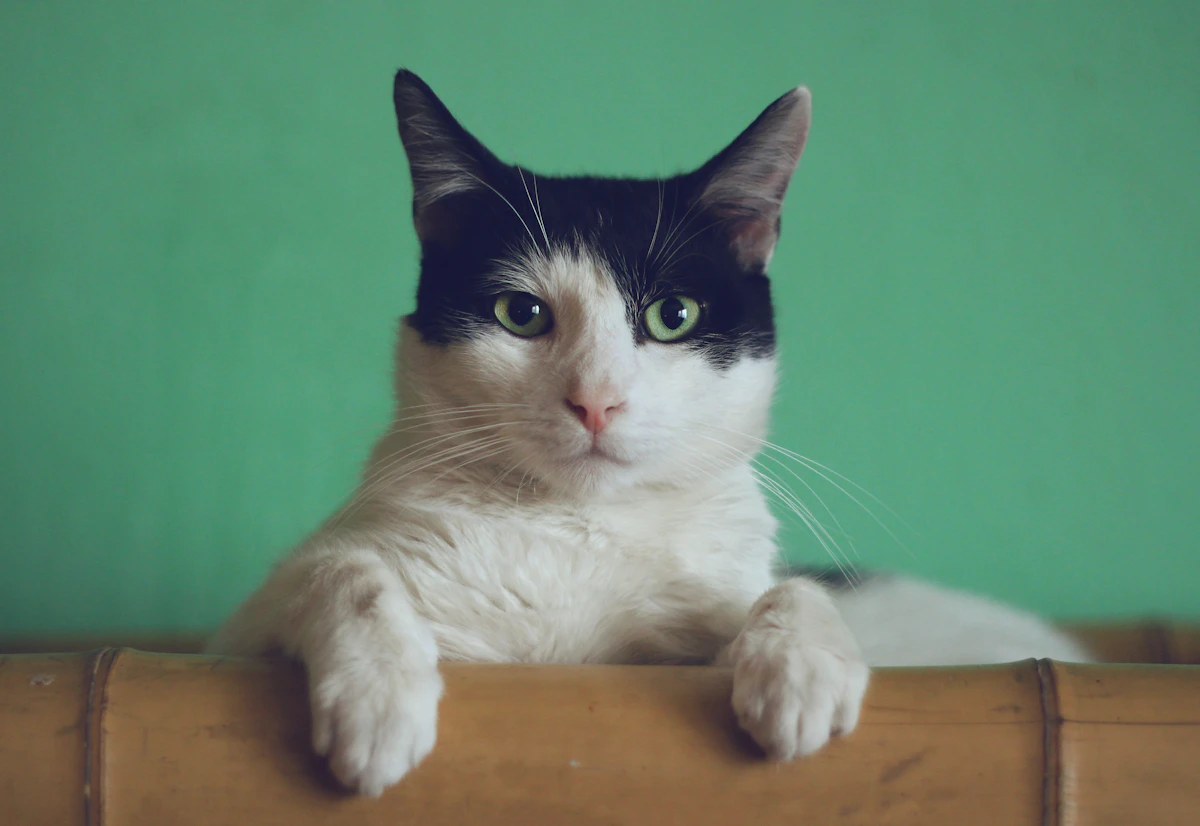
Executive Summary: The Evolutionary History of Felis catus
In modern canine culture, breed registries and genealogical paperwork dominate discussions of health and pedigree.
In the feline world, however, the biological reality is radically different: over 95% of the global domestic cat population belongs to no breed at all.
Classified clinically as Domestic Shorthairs (DSH), Domestic Mediumhairs (DMH), and Domestic Longhairs (DLH), these cats represent the ancient, genetically diverse ancestral landraces that accompanied human agricultural societies for over 10,000 years.
Far from being 'generic mutts', mixed-breed cats possess unmatched genetic heterozygosity, robust immunological resilience, and natural morphological balance. This guide provides an evidence-based breakdown of mixed-breed feline genetics, health baselines, and coat biology.
---\n## 1. Landraces vs. Closed Breeds: The Genomic Reality
A fundamental misconception among pet owners is assuming a domestic shorthair is a cross between two recognized breeds (like a Persian crossed with a Siamese):
THE FELINE EVOLUTIONARY TIMELINE:

10,000 YEARS AGO: Near Eastern Wildcat (Felis lybica) enters human settlements in the Fertile Crescent.
        │
        ▼ [ Millenniums of natural selection for rodent hunting, agility, and survival ]
ANCIENT REGIONAL LANDRACES: Genetically diverse, hardy local cat populations spanning Europe, Asia, Africa.
        │
        ▼ [ ONLY 150 YEARS AGO: Victorian era cat fancy emerges (late 19th century) ]
ARTIFICIAL BREED REGISTRIES: Small groups of landrace cats selected for extreme physical traits
(flat faces, hairlessness, folded ears) in closed studbooks with high inbreeding coefficients.
- The DNA Takeaway: When a feline DNA test reports that your Domestic Shorthair shares genetic similarities with a Maine Coon or British Shorthair, it does not mean your cat has purebred ancestors. Rather, the purebred breed was created from the very same landrace gene pool your cat carries today.
---\n## 2. The Science of Feline Heterosis ('Hybrid Vigor')
Because registered purebred cats originate from small founder populations, they carry significant inbreeding burdens and homozygous inherited diseases:
| Health Condition | Etiology & Genetic Mutation | High-Risk Purebred Breeds | Incidence in Mixed-Breed Cats (DSH) |
|---|---|---|---|
| Polycystic Kidney Disease (PKD) | Autosomal dominant PKD1 gene mutation | Persians, Exotics, British Shorthairs (up to 38%) | Near Zero (< 1%) |
| Hypertrophic Cardiomyopathy (HCM) | Autosomal dominant MYBPC3 mutations | Maine Coons, Ragdolls, Sphynx | Low genetic prevalence (mostly idiopathic/geriatric) |
| Progressive Retinal Atrophy (PRA) | CEP290 gene mutation | Abyssinians, Somalis, Bengals | Extremely rare |
| Spinal Muscular Atrophy (SMA) | Deletion in LIX1 gene | Maine Coons | Undetected in general random-bred populations |
Because random-bred cats select mates through natural behavioral competition and outcrossing, harmful recessive alleles are masked by healthy dominant copies, resulting in lower neonatal mortality and greater reproductive vigor.
---\n## 3. Feline Coat Genetics: The Polygenic Palette
A mixed-breed cat's coat is a living canvas of classic Mendelian and polygenic inheritance:
THE FOUNDATIONAL FELINE COAT GENES:
1. AGOUTI LOCUS (A):
   - Dominant 'A': Hairs have bands of alternating pigment (produces wild TABBY patterns).
   - Recessive 'a': Hairs are uniform solid color (black, blue, chocolate).

2. ORANGE LOCUS (O - X-LINKED):
   - Found exclusively on the X chromosome. Converts black eumelanin into red phaeomelanin.
   - FEMALES (XX): Can inherit 'Oo', resulting in co-dominant CALICO or TORTOISESHELL coats.
   - MALES (XY): Inherit either 'O' (Solid Orange) or 'o' (Solid Non-Orange). Male calicos are sterile XXY anomalies.

3. DILUTION LOCUS (D):
   - Recessive 'dd' clumps pigment granules, diluting Black into Blue/Gray, and Red into Cream/Buff.

4. WHITE SPOTTING (S - PIEBALD):
   - Incomplete dominant gene that inhibits melanocyte migration, creating white paws, bibs, and bellies (Tuxedo).
---\n## 4. Geriatric Screening Baselines for Mixed Cats
While mixed-breed cats enjoy superior genetic resilience, they remain susceptible to the classic metabolic illnesses of aging felines:
THE LIFELONG SENIOR VET MONITORING TIMELINE:
- AGE 1 - 6 (ADULT): Annual physical exam, core FVRCP booster every 3 years, annual dental prophylaxis.
- AGE 7 - 10 (SENIOR): Biannual exams. Baseline Complete Blood Count (CBC), Chem 25, Urinalysis, and SDMA (flags early renal decline).
- AGE 11+ (GERIATRIC): Semi-annual blood panels + Total T4 (Feline Hyperthyroidism), Doppler Blood Pressure (screening for hypertensive retinal detachment), and pain scoring for degenerative lumbar osteoarthritis.
---\n## 5. Indoor Lifestyle & Environmental Welfare
- Indoor Longevity: Indoor mixed cats live an average of 14 to 18 years, compared to just 3 to 5 years for unsupervised outdoor cats exposed to vehicular trauma, feline leukemia virus (FeLV), and predator attacks.
- Environmental Enrichment: Prevent indoor boredom and obesity by providing vertical climbing cat trees, window perches for visual bird watching, and interactive puzzle toys.
Learn feline genetic deafness in our White Cat Deafness Guide, explore coat grooming in our Cat Grooming by Coat Guide, and understand feline communication in our Cats Showing Trust Guide.